Break The Silence, Break The Cycle
you are not alone ; let's talk about mental health.
What is Mental Health?
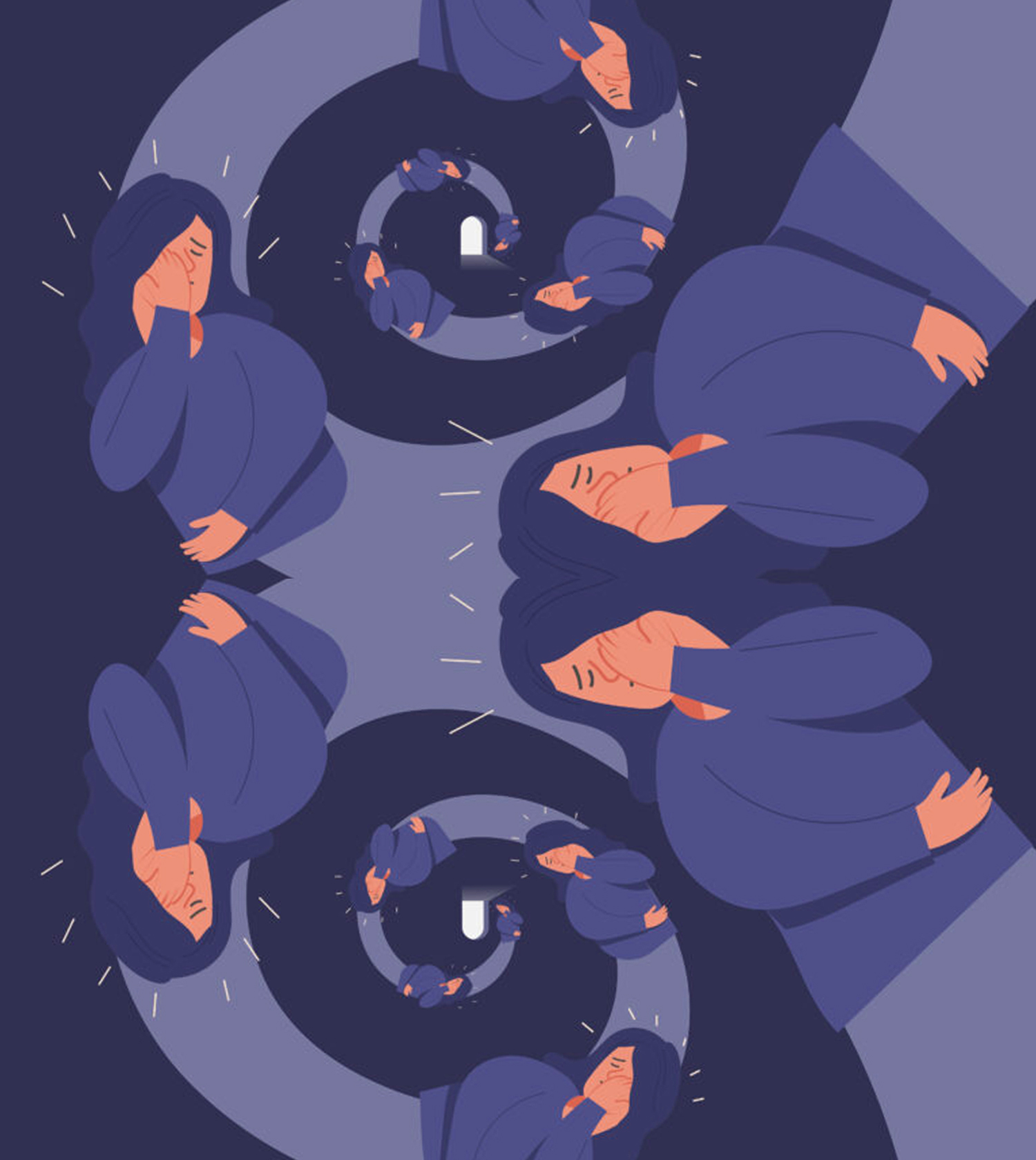
Mental health encompasses emotional, psychological, and social well-being, influencing cognition, perception, and behavior. It likewise determines how an individual handles stress, interpersonal relationships, and decision-making. Mental health includes subjective well-being, perceived self-efficacy, autonomy, competence, intergenerational dependence, and self-actualization of one's intellectual and emotional potential, among others. From the perspectives of positive psychology or holism, mental health may include an individual's ability to enjoy life and to create a balance between life activities and efforts to achieve psychological resilience. Cultural differences, personal philosophy, subjective assessments, and competing professional theories all affect how one defines "mental health".
Why is it important?
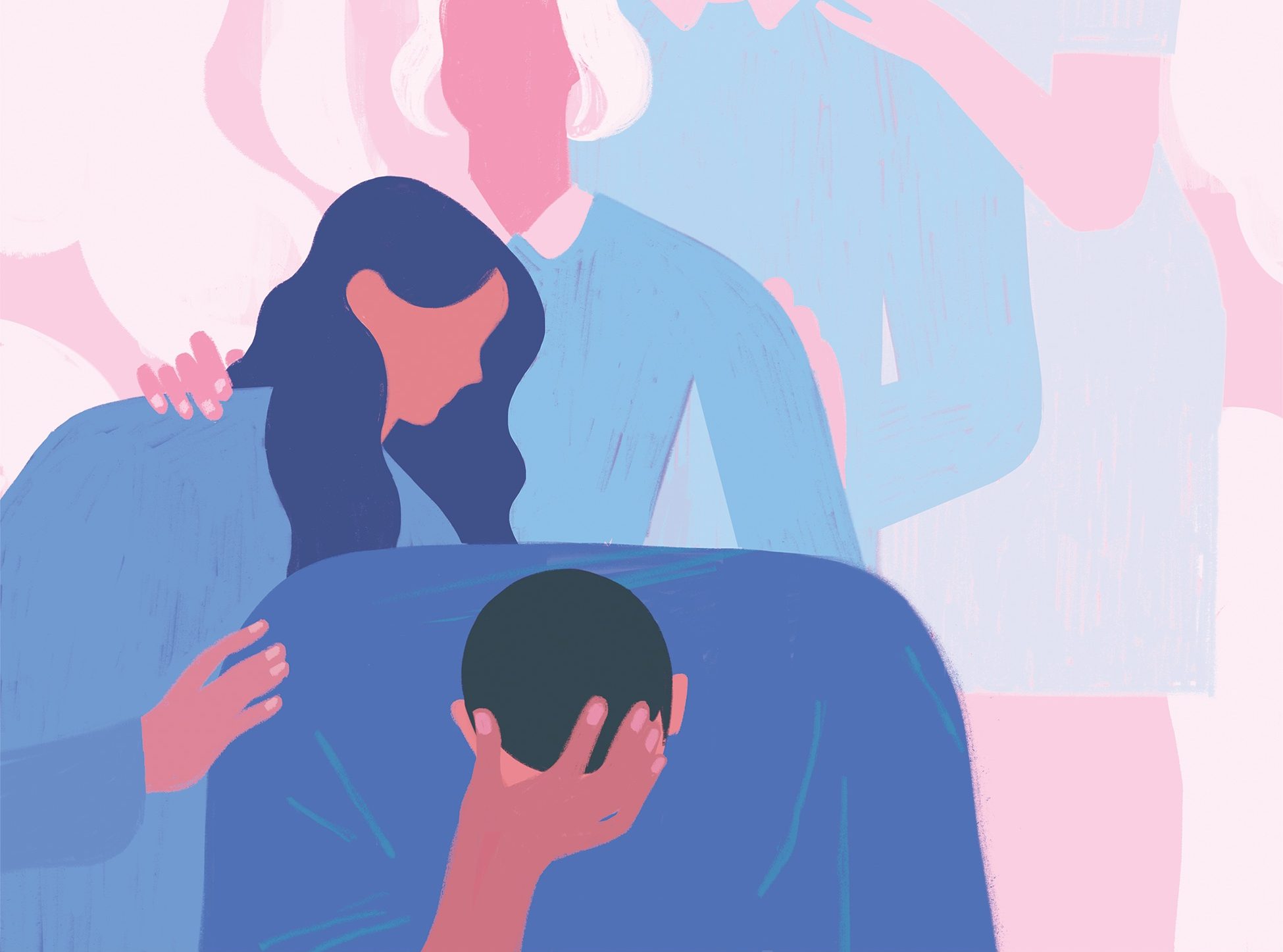
The "Break The Silence, Break The Cycle” PSA tackles the pervasive stigma surrounding mental health, emphasizing the importance of ending the silence around mental health challenges and reassuring individuals that they are not alone. This stigma, which affects millions globally, often hinders individuals from seeking assistance, leading to feelings of shame, isolation, and fear of judgment. Furthermore, it fosters a lack of empathy and understanding towards those grappling with mental health issues. Through raising awareness and promoting open dialogue, this PSA aims to diminish stigma and foster an environment of support and acceptance, where individuals feel empowered to seek help without the fear of discrimination.
Throughout history, the understanding and treatment of mental health have evolved alongside cultural, religious, and scientific beliefs. Ancient civilizations, such as those in Mesopotamia and Egypt, attributed mental illness to supernatural forces and often sought spiritual remedies for what they perceived as spiritual afflictions. In ancient Greece, notable figures like Hippocrates laid the groundwork for a more rational approach, suggesting that mental disorders were caused by physiological imbalances rather than divine punishment. However, prevailing beliefs still led to stigmatization and marginalization of individuals with mental health issues. During the Middle Ages in Europe, influenced by Christian doctrine, mental illness was often interpreted as possession by demons or as divine punishment for sins. Treatment often involved exorcisms or harsh forms of punishment rather than compassionate care. The Renaissance brought some progress, with the establishment of asylums for the mentally ill, though conditions in these institutions were often deplorable, and individuals were still subject to societal scorn and isolation. The 18th and 19th centuries witnessed advancements in psychiatry and the emergence of more humane treatment approaches, such as moral therapy pioneered by figures like Philippe Pinel and William Tuke. However, societal attitudes remained entrenched in stigma, with mental illness still seen as a mark of weakness or moral failing. The 20th century saw significant strides in understanding mental health through scientific research and the development of effective treatments like psychotropic medications and psychotherapy. Yet, stigma persisted, reinforced by media portrayals and cultural stereotypes. The legacy of institutionalization and mistreatment further contributed to societal fear and misunderstanding of mental illness.
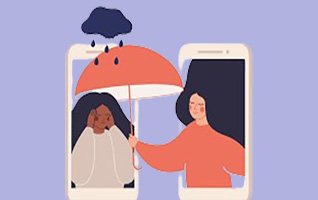
Today, despite greater awareness and advocacy efforts, stigma surrounding mental health still lingers, manifesting in discrimination, social exclusion, and barriers to accessing care. Challenging these deep-seated attitudes requires ongoing education, advocacy, and the promotion of empathy and understanding towards individuals facing mental health challenges. Yes, it’s important to remember that a person’s mental health can change over time, depending on many factors. When the demands placed on a person exceed their resources and coping abilities, their mental health could be impacted. For example, if someone is working long hours, caring for a relative, or experiencing economic hardship, they may experience poor mental health.
There is no single cause for mental illness. A number of factors can contribute to risk for mental illness, such as:The History of Mental Health
.jpg)
Can your mental health change over time?
What Causes Mental Illness?
Prevention And Help
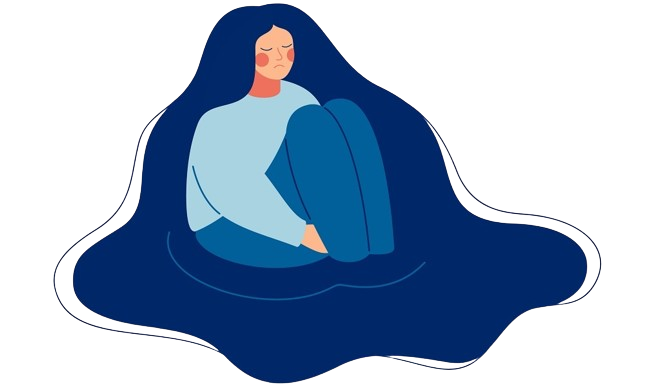
In order to improve mental health, the root of the issue has to be resolved. "Prevention emphasizes the avoidance of risk factors; promotion aims to enhance an individual's ability to achieve a positive sense of self-esteem, mastery, well-being, and social inclusion." Mental health promotion attempts to increase protective factors and healthy behaviors that can help prevent the onset of a diagnosable mental disorder and reduce risk factors that can lead to the development of a mental disorder.
Understanding Denial
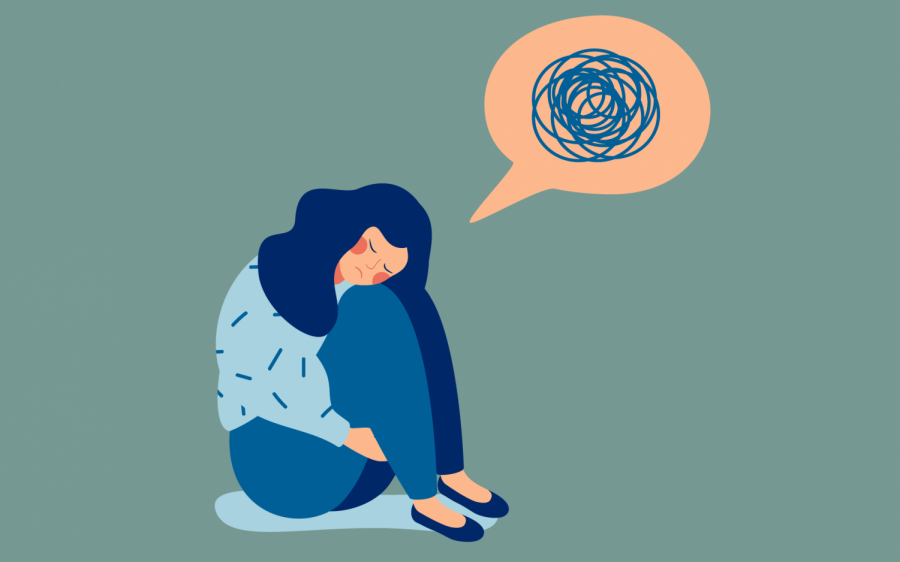
Mental illness denial, a form of denialism, contests the existence of mental disorders, drawing both serious analysis and support from pseudoscientific movements. In psychiatry, insight is the comprehension of one's mental health condition, while anosognosia refers to the lack of awareness of such a condition. Psychological analysts suggest that denialism often arises as a coping mechanism, particularly driven by narcissistic injury. Some researchers view disorders like depression through a sociocultural lens, advocating for societal solutions rather than solely focusing on individual brain function. Denialists often use logical maneuvers to discredit mental illness, ranging from outright dismissal to softer forms of denial, often rooted in ideological opposition to psychiatry. Despite legitimate criticisms of psychiatric science and practice, denying the existence of mental illness overlooks the complex interplay between biological and environmental factors in mental health and disregards the multifaceted approach necessary for effective treatment.
Methods That Can Help
Pharmacotherapy
Pharmacotherapy is a therapy that uses pharmaceutical drugs. Pharmacotherapy is used in the treatment of mental illness through the use of antidepressants, benzodiazepines, and the use of elements such as lithium. It can only be prescribed by a medical professional trained in the field of Psychiatry.
Physical activity
Physical exercise can improve mental and physical health. Playing sports, walking, cycling, or doing any form of physical activity trigger the production of various hormones, sometimes including endorphins, which can elevate a person's mood. Studies have shown that in some cases, physical activity can have the same impact as antidepressants when treating depression and anxiety. Moreover, cessation of physical exercise may have adverse effects on some mental health conditions, such as depression and anxiety. This could lead to different negative outcomes such as obesity, skewed body image and many health risks associated with mental illnesses. Exercise can improve mental health but it should not be used as an alternative to therapy.
Activity therapies
Activity therapies also called recreation therapy and occupational therapy, promote healing through active engagement. An example of occupational therapy would be promoting an activity that improves daily life, such as self-care or improving hobbies. Each of these therapies have proven to improve mental health and have resulted in healthier, happier individuals. In recent years, for example, coloring has been recognized as an activity that has been proven to significantly lower the levels of depressive symptoms and anxiety in many studies.
Expressive Therapies
Expressive therapies or creative arts therapies are a form of psychotherapy that involves the arts or art-making. These therapies include art therapy, music therapy, drama therapy, dance therapy, and poetry therapy. It has been proven that music therapy is an effective way of helping people with a mental health disorder.Drama therapy is approved by NICE for the treatment of psychosis.
Psychotherapy
Psychotherapy is the general term for the scientific based treatment of mental health issues based on modern medicine. It includes a number of schools, such as gestalt therapy, psychoanalysis, cognitive behavioral therapy, psychedelic therapy, transpersonal psychology/psychotherapy, and dialectical behavioral therapy. Group therapy involves any type of therapy that takes place in a setting involving multiple people. It can include psychodynamic groups, expressive therapy groups, support groups (including the Twelve-step program), problem-solving and psychoeducation groups.
Self-compassion
According to Neff, self-compassion consists of three main positive components and their negative counterparts: Self-Kindness versus Self-Judgment, Common Humanity versus Isolation and Mindfulness versus Over-Identification. Furthermore, there is evidence from a study by Shin & Lin suggesting specific components of self-compassion can predict specific dimensions of positive mental health (emotional, social, and psychological well-being).
Social-Emotional Learning
The Collaborative for academic, social, emotional learning (CASEL) addresses five broad and interrelated areas of competence and highlights examples for each: self-awareness, self-management, social awareness, relationship skills, and responsible decision-making. A meta-analysis was done by Alexendru Boncu, Iuliana Costeau, & Mihaela Minulescu (2017) looking at social-emotional learning (SEL) studies and the effects on emotional and behavior outcomes. They found a small but significant effect size (across the studies looked into) for externalized problems and social-emotional skills.
Meditation
The practice of mindfulness meditation has several potential mental health benefits, such as bringing about reductions in depression, anxiety and stress. Mindfulness meditation may also be effective in treating substance use disorders.
Spiritual counseling
Spiritual counsellors meet with people in need to offer comfort and support and to help them gain a better understanding of their issues and develop a problem-solving relation with spirituality. These types of counselors deliver care based on spiritual, psychological and theological principles.
Mental Fitness
Mental fitness is a mental health movement that encourages people to intentionally regulate and maintain their emotional wellbeing through friendship, regular human contact, and activities that include meditation, calming exercises, aerobic exercise, mindfulness, having a routine and maintaining adequate sleep. Mental fitness is intended to build resilience against every-day mental and potentially physical health challenges to prevent an escalation of anxiety, depression, and suicidal ideation. This can help people, including older adults with health challenges, to more effectively cope with the escalation of those feelings if they occur.
Redefining Our Understanding
Redefining society's relationship with understanding mental health and destigmatizing it requires a multifaceted approach that addresses both individual attitudes and systemic barriers. Firstly, fostering open dialogue and education about mental health from an early age can help dispel myths and misconceptions, promoting empathy and understanding. Additionally, integrating mental health education into school curricula and workplace training programs can empower individuals to recognize signs of mental distress and seek support without fear of judgment. Moreover, challenging harmful stereotypes and language surrounding mental illness in media and popular culture can reshape societal perceptions, promoting inclusivity and acceptance. Simultaneously, policymakers must prioritize mental health funding and accessibility to ensure that everyone has equitable access to quality mental health care and support services. By collectively acknowledging the importance of mental well-being and actively working to dismantle stigma, society can create a more compassionate and supportive environment for individuals living with mental health challenges.
How can you Help?
Access to reliable information and support is crucial in promoting mental health awareness and destigmatization. The following sources compile a wealth of resources, expertise, and assistance to aid individuals, families, and communities in understanding and addressing mental health challenges. From reputable organizations and government agencies to helplines and online communities, these sources offer a diverse range of information, support services, and advocacy efforts aimed at promoting mental well-being and reducing stigma surrounding mental illness. Whether seeking information on specific disorders, coping strategies, or immediate crisis support, these sources serve as invaluable tools in fostering a culture of compassion, empathy, and support for those affected by mental health issues.
- National Alliance on Mental Illness (NAMI)
- Substance Abuse and Mental Health Services Administration (SAMHSA)
- Mental Health America (MHA)
- American Psychiatric Association (APA)
- Anxiety and Depression Association of America (ADAA)
- World Health Organization (WHO)
- Headspace
- The Trevor Project
- Crisis Text Line - Text "HELLO" to 741741 for immediate support
- Suicide Prevention Lifeline - 1-800-273-TALK (8255)